
Notices
Phone System Addition
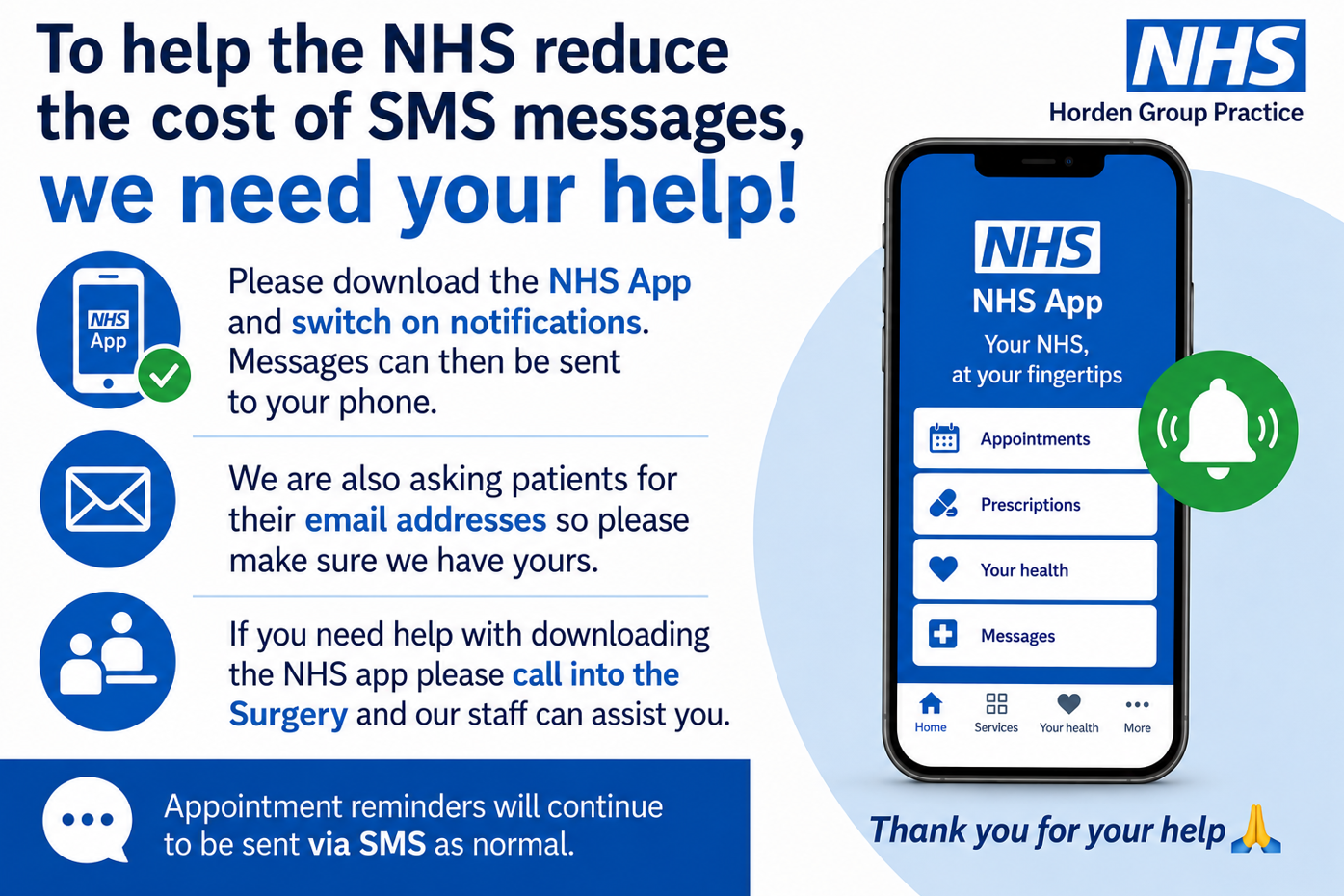
We have added an extra option to our phone line. This is an automated option, it allows you to cancel and check appointments and also order repeat prescriptions.
- To order repeat prescriptions you first need to obtain a pin number from Reception. Please call us or pop in to speak to our team.
The line is available 24/7 and can also be dialled direct using the number 0191 5004640. It can be used by all patients and works in a similar way to requesting a prescription online or via the NHS App.
This is an extra option on our phone message before you get to the main menu. If you are aged 70 and over or housebound and usually call to order your prescriptions this service is still available, please listen to the full message on our phone system.
Thank you
Team HGP
RSV (respiratory syncytial virus) – Are you eligible?
What the RSV vaccine is for
The RSV vaccine helps protect against respiratory syncytial virus (RSV) infections.
RSV is a common cause of coughs and colds. Most people get it several times during their life.
It usually gets better by itself, but in some people (especially babies and older adults) it can cause illnesses, such as:
- pneumonia (a lung infection)
- bronchiolitis (a chest infection that affects babies)
These illnesses can cause serious breathing problems. They may need to be treated in hospital and can be life-threatening.
Getting an RSV infection can also make your symptoms worse if you have a lung condition, such as chronic obstructive pulmonary disease (COPD).
The RSV vaccine helps reduce the risk of serious breathing problems like pneumonia and bronchiolitis.
Who should have the RSV vaccine
You can get a free RSV vaccination on the NHS if:
- you’re 28 weeks pregnant or more – the vaccine is recommended during every pregnancy to help protect your baby after they’re born (You should be offered the RSV vaccine around the time of your 28-week antenatal appointment)
- From 1 April 2026, those aged 75 years and older as well as adults of any age living in a care home for older adults will be eligible for a free vaccine to protect them from respiratory syncytial virus (RSV).
For more information please follow this link: Your guide to the RSV vaccine for older adults – GOV.UK or RSV vaccine – NHS –
Spring 2026 Covid booster
COVID-19 is still with us, and for those at higher risk, a “booster” dose helps top up your protection.
This years spring booster campaign starts on 13 April 2026.
Eligiblity criteria:
- adults aged 75 and over
- residents in care homes for older people
- individuals aged 6 months and over who are immunosuppressed
The NHS will contact you if you are eligible and you may receive the vaccine at your GP Surgery, local pharmacy or your own home or care home if you are housebound.
For more details on the vaccine and its benefits, please visit the NHS.uk COVID-19 vaccine page.
Meningitis outbreak
You may have read recent media coverage concerning a very serious outbreak of
meningitis in Kent and we understand your concern. There is no evidence that this
outbreak has spread further in the UK.
But it is still important to be aware of the symptoms of meningitis and sepsis. They
can appear suddenly and be easily mistaken for flu, a heavy cold or even a
hangover, so it is vital that anyone who is concerned seeks urgent medical help
immediately.
The UK routine immunisation schedule now protects against some types of
meningitis and your children will be invited for these at the correct age. The NHS is
not able to give vaccinations outside of this schedule.
You can read more about common signs and vaccines here – Meningitis –
Vaccination – NHS
Useful information:
• Signs_and_Symptoms_Card_2023_GSK.pdf
• easy-read-signs-of-sepsis-and-what-to-do.pdf
Patient Participation Group Meeting Minutes – Tuesday 27 January 2026
Attendees: Dr Brown, Louise Armstrong, Kayleigh Davison, Michael N, Jackie S
Apologies – Patient G, Patient A and Patient M
Introductions: Dr Brown introduced himself as one of the GP Partners of Horden Group Practice. Introductions made from all present.
Updates since last meeting:
Dr Brown told members that we currently have 3 registrars, Dr Somal, Dr O.C and Dr Ojo. Dr Somal will be leaving us next month to progress to her next placement and Dr OC and Dr Ojo will be with us until August. He explained that receptionist Caitlyn left us and that although another receptionist Donna had initially planned to leave us she has now decided to stay.
Vaccinations (Reviewed from previous meeting in February)
Dr Brown explained that we ran a successful Saturday morning covid and flu clinic where we vaccinated 400 of the most vulnerable patients. He explained that vaccination rates are low regionally.
Secondary care waiting lists
Dr Brown discussed there are still major problems with waiting times for patients being seen in secondary care. He pointed out difficulties with patients who are waiting a long time to be seen by specialists in hospitals meaning they are frequently attending the surgery with little that can be done. He explained that patient demand is increasing and due to room availability we are unable to increase staffing.
CQC
We are currently still rated as a “GOOD” practice, CQC have been in the area so we are expecting that they may visit the practice soon.
Kayleigh/Research project
Dr Brown welcomed Kayleigh and explained her role as Clinical Pharmacist. Kayleigh explained as part of her role she also works with research projects and explained a project she is working on and asked members if they would like to be involved. This included a series of questions, and they would be paid £17.50 for their time. Patients were asked to contact Louise at the surgery should they wish to take part or if they know anyone who would like to take part.
New 6pm-6.30 cover
Dr Brown explained to members that as part of the new contract we are required to provide access to patients between the hours of 6-6.30pm. We are trialling a ring doorbell system so that patients can present at the practice and speak to a member of staff between those hours.
Next meeting
The next meeting is provisionally booked for 28 April 2026. Please let us know if there is anyone who expresses interest in attending future groups.
Patient Participation Group Meeting Minutes – Tuesday 23 September 2025
Attendees: Dr Brown, Louise Armstrong, Michael N, Jackie S, Elsie H, Alan S and Margaret S
Apologies – Patient R and Patient G
Introductions: Dr Brown introduced himself as one of the GP Partners of Horden Group Practice. Introductions made from all present.
Updates since last meeting:
Dr Brown told members that there have been some changes in staffing since the last meeting. We now have 3 new registrars, Dr Somal, Dr OC and Dr Ojo. Dr Jide has now qualified and is working as a locum GP, Dr Alex has now moved onto a placement in Psychiatry and Dr Felix stayed on with us after he qualified but is now also moving on. We also have a new female GP Dr Altaf who has replaced Dr Koganti.
Vaccinations (Reviewed from previous meeting in February)
Dr Brown explained that we will be running a covid and flu clinic on Saturday 4th October to hopefully vaccinate the bulk of our eligible patients. Uptake of vaccines remains low.
Dr Brown explained there is soon to be a new vaccine for chicken pox as part of childhood immunisations.
Secondary care waiting lists
Dr Brown discussed there are still major problems with waiting times for patients being seen in secondary care. He pointed out difficulties with patients who are waiting a long time to be seen by specialists in hospitals meaning they are frequently attending the surgery with little that can be done.
GP Contract
Dr Brown explained recent changes to the GP contract and some not clear information regarding opening times. Core hours are 8-6.30 but we only in practice 8-6. We are awaiting clarification but do not think the practice needs to open 6-6.30 and only needs to provide an eConsult service.
Emergency appointments
Dr Brown asked for opinions from the PPG members regarding emergency on the day appointments. Whenever possible we try to offer appointments at a patients preferred site but on the day emergency appointments prove difficult if the on-call GP is at the other site. PPG members agreed that a patient should be offered an appointment at which ever site is available and if they can not make that site will need to call 111. We do however try to accommodate patient choice where possible.
CQC
We are currently still rated as a “GOOD” practice, no word from CQC regarding further inspection but it is expected any time.
Private Prescriptions
Dr Brown explained to members that patients who are using private companies for treatment are at times asking the practice to then prescribe the medication on NHS prescription. We explained that other practices have added a notice to their website to say they are not obliged to do this., Where possible and where safe this will be done on an individual basis but it not obligatory. PPG members agreed this is something we should add to our website.
He also discussed hospital medications that are being requested by patients to be administered in general practice such as treatments for osteoporosis, this is a 3 monthly injection and although would be more convenient to the patient the practice receives no funding for such appointment. There is a push back from the larger team to say no to this, but we feel it will be assessed on an individual basis as to whether we can safely manage this.
Ten Year Plan
The ten-year plan has a lot of grey areas; there is a push on moving services out of hospitals and into the community however not much information is available yet on how this will look in the future. We will update as and when this is available.
Next meeting
The next meeting is provisionally booked for 27 January 2026. Please let us know if there is anyone who expresses interest in attending future groups.
Denosumab in Primary Care
From 01 October 2025, we will not be accepting any patients for Denosumab shared care unless housebound or struggling with mobility.
MacMillan Coffee Morning: Fundraising 2025
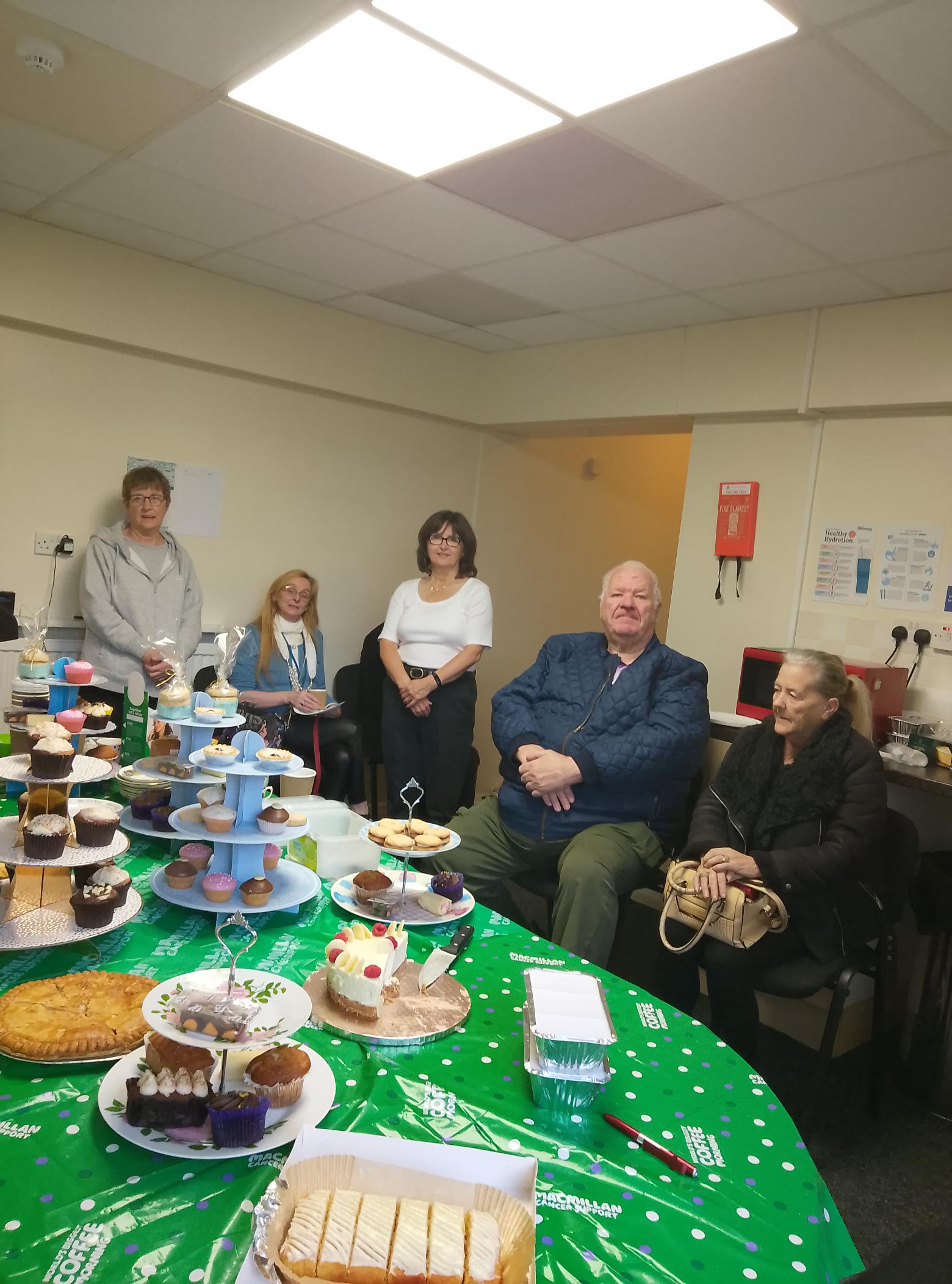
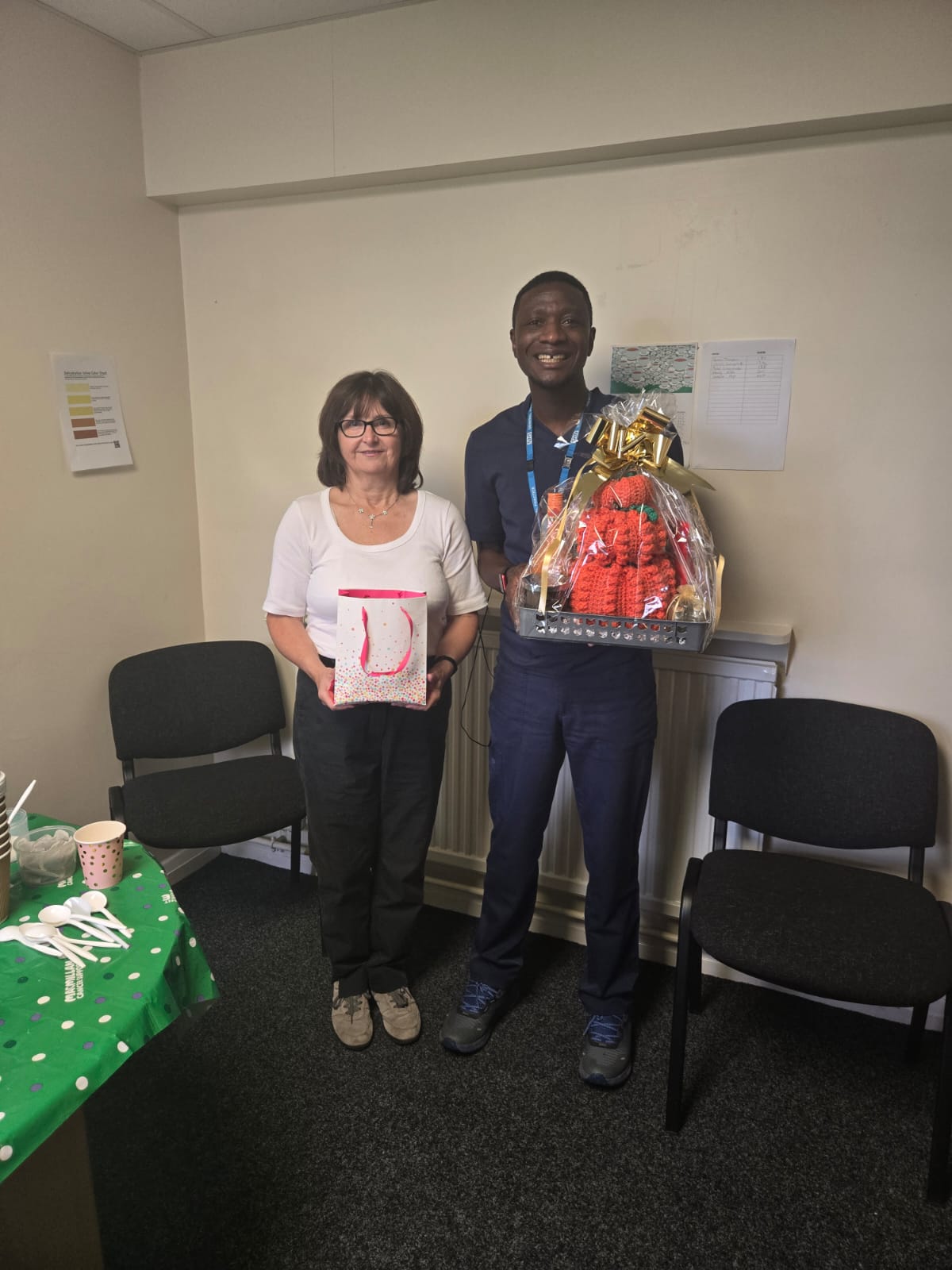
Well done to our wonderful staff and patients who raised a massive £236
at our Macmillan Coffee Morning on Friday 17 October 🥰









Changes to Child Immunisation Schedule
The changes to the routine childhood immunisation schedule are designed to provide even better protection for babies and young children across the UK. These updates are based on the latest medical advice and will come into effect in phases, starting from July 2025, with further adjustments from January 2026.
Our priority is always to ensure your child receives the best possible protection against preventable diseases. We understand that changes to schedules can sometimes lead to questions, and we’re here to help.
What’s Changed from 1st July 2025?
Here’s a summary of the key modifications to the vaccination programme:
- Meningitis B (MenB) Vaccine:
- Old Schedule: Given at 8 weeks and 16 weeks.
- New Schedule: Now given at 8 weeks and 12 weeks. This change aims to protect babies earlier, when they are most vulnerable to this serious infection.
- Pneumococcal (PCV13) Vaccine:
- Old Schedule: Given at 12 weeks.
- New Schedule: Now given at 16 weeks. This adjustment helps to reduce the number of injections administered at the 12-week appointment, making it more comfortable for your baby.
- Hib/MenC Vaccine:
- This vaccine will be phased out for children born after 1st July 2024 due to the reduced need for it within the updated schedule.
- Hepatitis B (selective group only):
- For babies identified as being at risk of Hepatitis B, the final dose will now be included in the new 18-month appointment, rather than requiring a separate booster at 12 months.
- Introducing a New 18-Month Appointment (from January 2026):
- For babies born after 1st July 2024, a significant new appointment will be introduced at 18 months of age.
- This appointment will include:
- A booster vaccine (hexavalent) to provide continued protection.
- The second dose of the MMR (Measles, Mumps, and Rubella) vaccine, if not already given at the 3 year 4-month appointment.
What Stays the Same?
- 8-week appointment:
- There are no changes to the vaccines given at the 8-week appointment.
- 3 year 4-month appointment:
- This appointment will still include the dTaP/IPV (diphtheria, tetanus, acellular pertussis, and inactivated polio) vaccine and the second MMR dose, if it hasn’t been administered at the 18-month appointment.
Why are These Changes Being Made?
These updates to the childhood immunisation schedule are being implemented to:
- Protect babies earlier when they are most at risk from certain diseases.
- Simplify the overall vaccine schedule, making it easier to follow.
- Reduce the number of injections given at individual visits, improving the experience for young children and their parents.
Where Can You Find More Information?
We understand you may have questions about these changes. Our team is available to discuss the updated schedule with you and address any concerns you may have.
For comprehensive information on all childhood immunisations and the updated schedule, please visit the official NHS vaccinations website:
- NHS Vaccinations: https://www.nhs.uk/conditions/vaccinations/